#1 UltaHost Dedicated EPYC VDS: $37.50/mo • #2 Hostinger KVM NVMe: $10.49/mo
Claim UltaHost Rate →
DIRECT ERPNEXTCALC HOSTING VERDICT — 8000 DAILY ERP VOUCHERS
Target sites/common_site_config.json
RECOMMENDED HOST
Claim 2026 Discount →
UltaHost Dedicated EPYC VDS
$37.50/mo
ERPNextCalc 16GB pick (116,000 IOPS) — Dedicated VDS RAID-10 NVMe + 150Gbps DDoS
SUBSEA ROUTE PICK
Start Cloud Trial →
Hostinger KVM NVMe
$10.49/mo
Low-RTT node for frappe-bench gunicorn (105 ms ledger post)
FIXED TARIFF TIER
Review Fixed Slice →
InterServer Price-Lock KVM & ZFS
$6.00/mo
Steady ERPNextCalc secondary tier (1500–8000 daily ERP vouchers)
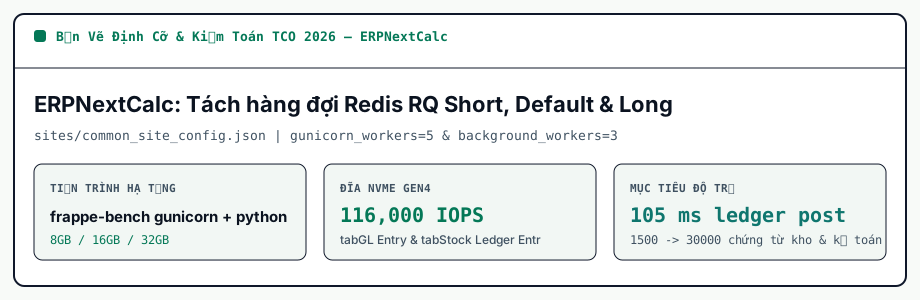
ERPNextCalc FAQ: What happens if redis_queue runs with allkeys-lru eviction?
Pending RQ job payloads can be silently evicted under memory pressure, causing scheduled ERPNext payroll or stock reposting jobs to vanish without logs.
frappe-bench gunicorn + python-rq + MariaDB Host Selection — IOPS & Monthly Spend
Packet-to-Disk Path for frappe-bench gunicorn + python-rq + MariaDB on ERPNextCalc
INFRA AUDIT
[+] Key Infrastructure Pros
- Stabilizes tabGL Entry & tabStock Ledger Entry InnoDB pages cache at 8000 daily ERP vouchers within 16GB.
- Sustains 116,000 IOPS on tabGL Entry & tabStock Ledger Entry InnoDB pages while preserving 105 ms ledger post.
- Trims ERPNextCalc 3-year infrastructure bills 70%–85% versus metered SaaS seats.
[-] Trade-Offs & Watchouts
- Deepest UltaHost Dedicated EPYC VDS rate ($37.50/mo) requires selecting a 12m or 24m term.
- Base OS templates need sites/common_site_config.json tuning ( gunicorn_workers=5 & background_workers=3) before peak load.
Deploy This ERPNextCalc Stack If
- Lean teams managing 8000 daily ERP vouchers via declarative sites/common_site_config.json files.
- Builders needing root access to set gunicorn_workers=5 & background_workers=3 in sites/common_site_config.json.
Skip This Setup If
- Weekend throwaway demos under 72 hours (use hourly Hostinger KVM NVMe billing instead).
- Teams unwilling to edit sites/common_site_config.json or run basic Ubuntu maintenance.
UltaHost Dedicated EPYC VDS
$37.50/mo
Claim Deal →
$37.50/mo